
Open Surgery vs. Laparoscopic Surgery: What’s the Difference?
Being told you need surgery is never easy to hear. And once that initial shock settles, the questions start coming. What kind of surgery? How long is the recovery? Will there be a big scar? For many patients today, there’s another question that comes up fairly quickly will it be open surgery or laparoscopic?
If you’ve heard both terms and aren’t quite sure what separates them, you’re not alone. Most people haven’t had reason to think about it until they’re sitting in a consultation room and suddenly need to.
This is a straightforward breakdown of what both approaches involve, how they differ, and what those differences actually mean for the patient.
The Basic Idea Behind Each Approach
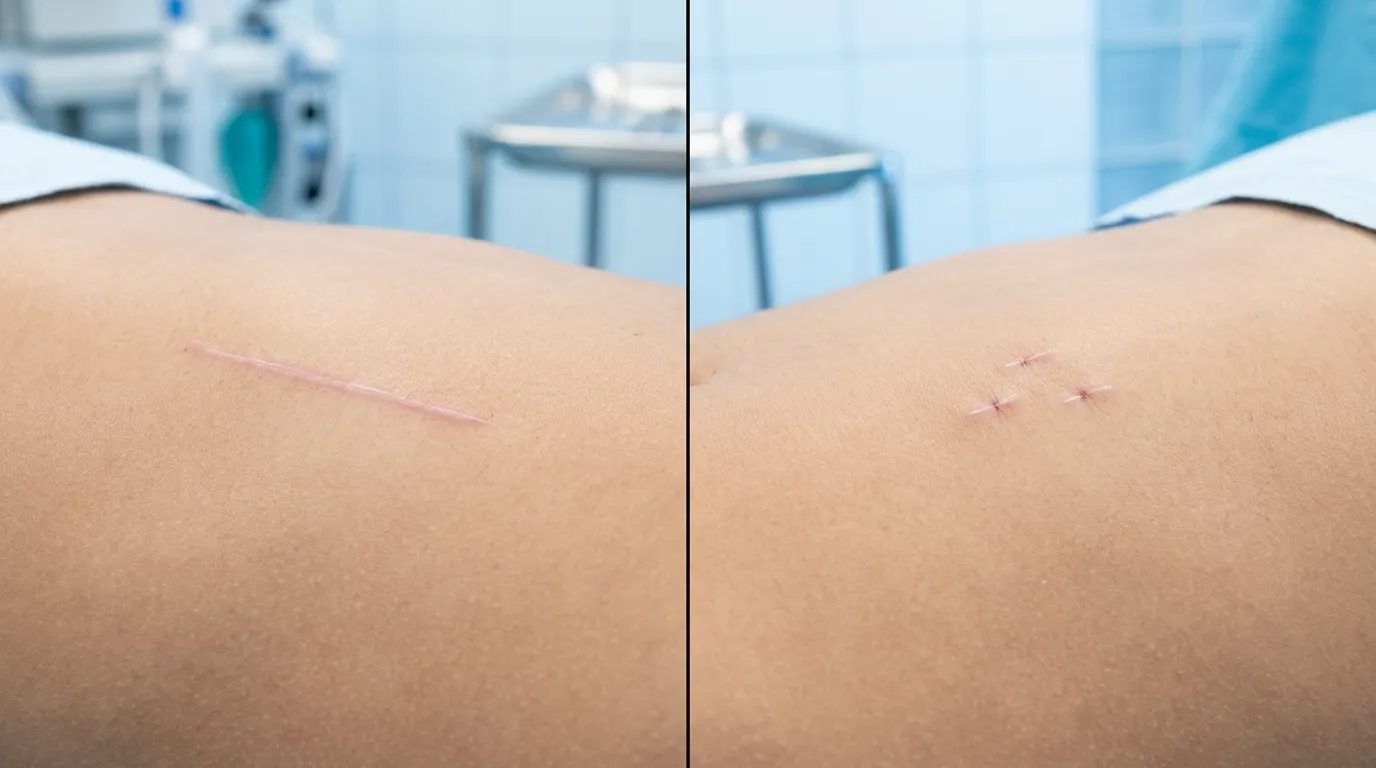
Open surgery is what most people picture when they think of an operation. The surgeon makes a single large incision, sometimes several inches long, to directly access the area being treated. It gives a wide, unobstructed view and allows the surgeon to work with their hands inside the body.
Laparoscopic surgery takes a different route entirely. Instead of one large cut, three to five very small incisions are made, typically between half a centimetre and one centimetre each. A thin tube with a camera attached, called a laparoscope, is inserted through one of these openings. The camera feeds live images to a monitor, and the surgeon works by watching that screen and operating through the other small openings using slender instruments.
Same goal, two very different paths to get there.
How the Recovery Differs
This is usually the part patients care about most and understandably so.
With open surgery, the body has experienced a significant trauma. A large incision means more tissue disruption, more bleeding during the procedure, and a stronger inflammatory response afterward. Recovery tends to be longer often several weeks before a patient can return to normal activity. Pain in the days following surgery is usually more pronounced, and the hospital stay is typically longer.
Laparoscopic surgery works differently in this regard. Because the incisions are small, the body’s response is considerably less intense. There’s less blood loss, less post-operative pain, and patients generally get back on their feet faster. Many go home within a day or two. Some return to light activity within a week.
It’s not just about convenience either. A faster recovery means less time in bed, which reduces the risk of complications like blood clots or chest infections that can develop when someone is immobile for extended periods.
What About Scarring?
Open surgery leaves a longer scar, the size depends on the procedure, but it’s visible and takes time to fade. For some patients, particularly those with a tendency to form keloid scars, this is a real concern.
With laparoscopic surgery, the incisions are small enough that the resulting scars are minimal. Some are placed along natural skin folds, making them barely visible once healed. For most patients, this is a significant plus.
Is Laparoscopic Always the Better Option?
Not necessarily. This is an important point that often gets overlooked.
Laparoscopic surgery requires specialised training and equipment. Not every condition is suited to it, and not every patient is a good candidate. In certain situations, a very complex surgery, significant internal bleeding, poor visibility during the procedure, a surgeon may need to convert to open surgery mid-procedure. This isn’t a failure. It’s a clinical decision made in the patient’s best interest.
There are also cases where open surgery is simply the more appropriate choice from the start. Very large tumours, certain emergency situations, or cases involving extensive internal adhesions from previous surgeries, these sometimes call for the direct access that only open surgery provides.
The decision is never one-size-fits-all. It depends on the specific condition, the patient’s overall health, and the surgeon’s assessment.
Conditions Commonly Treated Laparoscopically
Laparoscopic surgery has expanded significantly over the years. Procedures that once required large incisions are now routinely done through small ones:
- Appendix removal (appendectomy)
- Gallbladder removal (cholecystectomy)
- Hernia repair
- Removal of the uterus (hysterectomy)
- Treatment of conditions affecting the colon
The list continues to grow as surgical techniques and instruments improve.
What Should Patients Ask Their Surgeon?
If you’ve been advised to have surgery, a few questions worth asking:
- Is laparoscopic surgery an option for my condition?
- What are the specific risks for my case with either approach?
- What does recovery typically look like?
- Is there any reason open surgery would be more suitable for me?
A good surgeon will walk you through the reasoning behind their recommendation and understanding that reasoning makes the whole process a lot less daunting.
Final Thoughts
Open surgery and laparoscopic surgery both have their place. One isn’t universally better than the other the right approach depends entirely on the patient and the condition being treated. What laparoscopic surgery has done is give surgeons and patients more options, and in many cases, a path to recovery that’s significantly easier on the body.
Our surgeon evaluates each patient individually before recommending an approach, taking into account the condition, overall health, and what’s most likely to give the best outcome. If you’ve been advised to have surgery and want to understand your options better, come in for a consultation. The more informed you are going in, the more confident you’ll feel about the process.