
What Is Keyhole Surgery and Why Do Surgeons Prefer It?
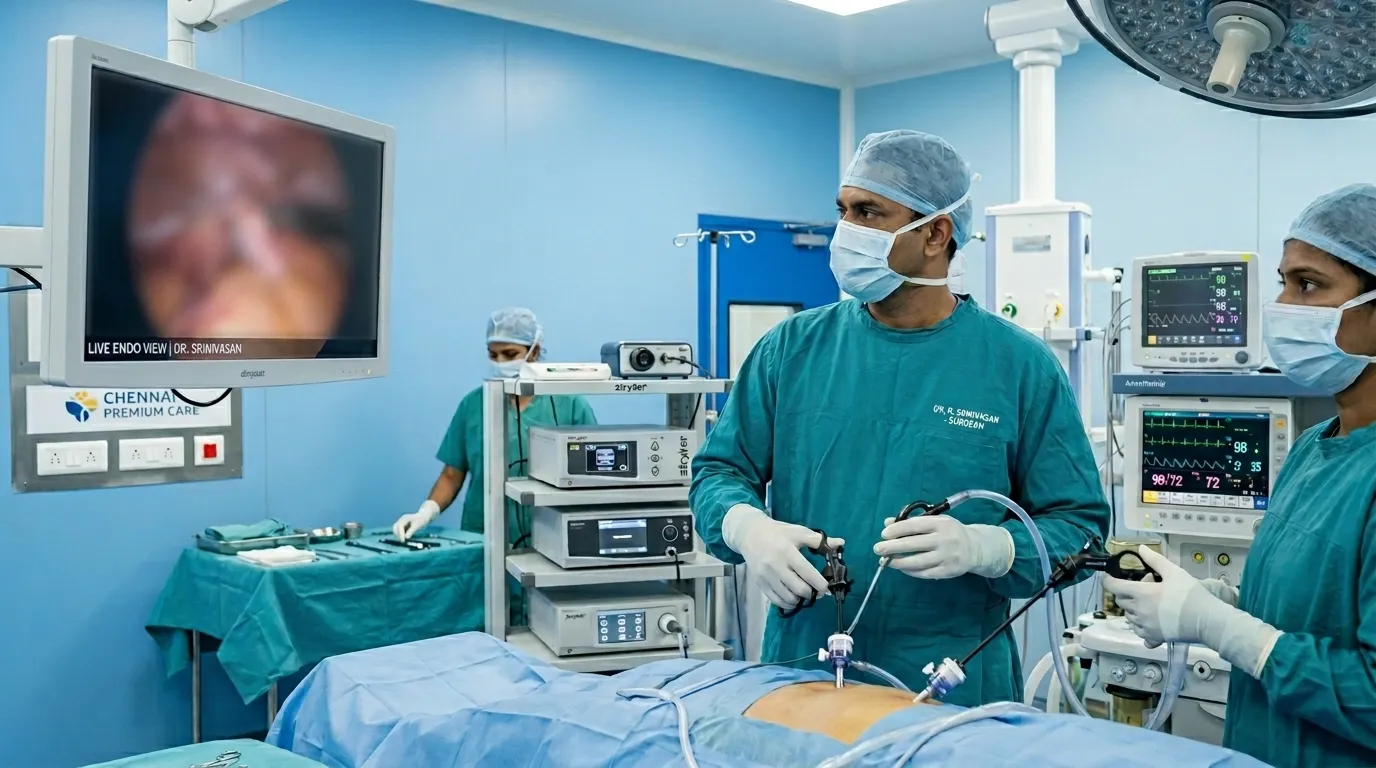
At some point during a surgical consultation, most patients hear the term “keyhole surgery.” The surgeon mentions it almost casually, as though it’s the obvious choice. And for the patient sitting across from them, the natural reaction is to nod along while quietly wondering, what exactly does that mean, and why does everyone keep recommending it?
It’s one of those medical terms that gets used a lot without always being explained well. So here’s a straightforward look at what keyhole surgery actually is, how it works, and why it’s become the preferred approach for so many procedures.
The Basic Idea
Keyhole surgery, the more technical name is laparoscopic surgery, is a minimally invasive surgical technique. Instead of making one large incision to access the area being operated on, the surgeon makes several very small cuts, usually between half a centimetre and one centimetre each.
Through one of these small openings, a thin tube with a tiny camera attached called a laparoscope, is inserted. This camera transmits live images to a monitor in the operating room. The surgeon watches that screen and operates through the other small incisions using slender, specially designed instruments.
The name “keyhole” comes from exactly that, the incisions are small enough to resemble keyholes rather than the longer cuts associated with traditional open surgery.
How Did It Come About?
Keyhole surgery wasn’t always the standard it is today. Open surgery, where a large incision gives the surgeon direct access, was the only option for most of surgical history. Laparoscopic techniques started gaining ground in the 1980s and 1990s, initially for gallbladder removal, and gradually expanded to cover a wide range of procedures.
What drove that shift wasn’t just technology. It was outcomes. Patients who underwent laparoscopic procedures were recovering faster, experiencing less pain, and returning to normal life sooner. The evidence was hard to ignore, and over the following decades, the approach became standard practice across surgical specialties worldwide.
What Procedures Can Be Done This Way?
More than most people realise. Keyhole surgery is now used routinely for:
- Gallbladder removal – one of the most commonly performed laparoscopic procedures globally
- Hernia repair – inguinal, umbilical, and incisional hernias
- Appendix removal – particularly useful given how quickly an appendicitis situation can develop
- Colorectal surgery – procedures involving the colon and rectum
- Gynaecological procedures – including treatment of endometriosis, ovarian cysts, and hysterectomy
- Weight loss surgery – bariatric procedures like sleeve gastrectomy
- Diagnostic laparoscopy – when the surgeon needs to look inside the abdomen to understand what’s causing unexplained symptoms
The list has grown steadily over the years and continues to expand as instruments and techniques improve.
Why Do Surgeons Prefer It?
This is a question worth unpacking properly, because the answer goes beyond just “smaller cuts.”
Better visualisation. This surprises many patients. The laparoscope’s camera provides a magnified, high-definition view of the operating area, often clearer than what a surgeon sees during open surgery where they’re working at a greater distance. The ability to zoom in on specific structures gives a level of detail that’s genuinely useful.
Less trauma to surrounding tissue. Open surgery requires the surgeon to move through layers of tissue to reach the target area. With keyhole surgery, the instruments are directed precisely, with minimal disturbance to the surrounding structures. That matters a lot for how the body recovers afterward.
Reduced risk of infection. Smaller incisions mean less exposed tissue, which in turn means a lower risk of post-operative wound infection. In a hospital setting, this is a meaningful advantage.
Less blood loss during the procedure. The controlled, precise nature of laparoscopic surgery typically results in less bleeding compared to open surgery, which reduces the need for blood transfusions and minimises the physiological stress on the patient.
Faster recovery. This is what patients notice most. Because the body hasn’t experienced the same level of trauma as it would with a large incision, the inflammatory response is reduced, pain is more manageable, and the return to normal activity happens significantly sooner. Many patients go home within a day or two. Some return to light work within a week.
Smaller scars. The cosmetic benefit is real, particularly for patients who are prone to scarring or who simply prefer minimal visible marks after surgery.
What About the Patient’s Experience?
On the day of the procedure, the patient is under general anaesthesia, fully asleep. The experience from the patient’s side is similar to any surgical procedure in that regard. There’s no awareness of what’s happening during the operation itself.
Waking up afterward is where the difference becomes noticeable. Pain levels are typically lower than after open surgery. The abdomen may feel slightly bloated or gassy, this comes from the carbon dioxide gas used to inflate the abdominal cavity during the procedure, giving the surgeon space to work. That feeling generally passes within a day or two.
Most patients are surprised by how quickly they feel like themselves again.
Is There Any Situation Where It’s Not Suitable?
Yes, and this is important to be clear about. Keyhole surgery isn’t universally applicable.
Some conditions are too complex, or the anatomy too difficult, to be safely managed through small incisions. In certain cases, the surgeon may begin laparoscopically and then decide mid-procedure that converting to open surgery is the safer option. This isn’t a complication, it’s a clinical judgement call made entirely in the patient’s interest.
Previous abdominal surgeries that have left significant internal scar tissue, certain emergency situations, and very large growths or tumours may be better handled through open surgery from the outset. The decision always comes down to what gives the individual patient the safest, most effective outcome.
What Should You Ask Your Surgeon?
If you’ve been advised to have surgery, a few questions worth raising:
- Is keyhole surgery an option for my specific condition?
- What are the benefits and limitations in my particular case?
- What does recovery typically look like?
- Is there any reason you might need to switch to open surgery during the procedure?
A surgeon who recommends keyhole surgery should be able to explain clearly why it suits your situation, and a good one will also be straightforward about any limitations.
Final Thoughts
Keyhole surgery has genuinely changed what surgical recovery looks like for millions of patients. Less pain, smaller scars, shorter hospital stays, faster return to normal life, these aren’t minor benefits. They’re the reason it’s become the first choice for so many procedures.
That said, it’s not a universal solution. The right approach always depends on the patient, the condition, and the surgeon’s assessment of what’s safest and most effective.
Our surgical team has experience performing a range of laparoscopic procedures, with each treatment plan tailored to the patient’s individual condition and overall health. If you’ve been recommended surgery and want to understand whether a keyhole approach is right for you, come in for a consultation, the more you understand going in, the more confident you’ll feel about the process.