
Why Some Wounds Don’t Heal After Surgery And What Can Be Done
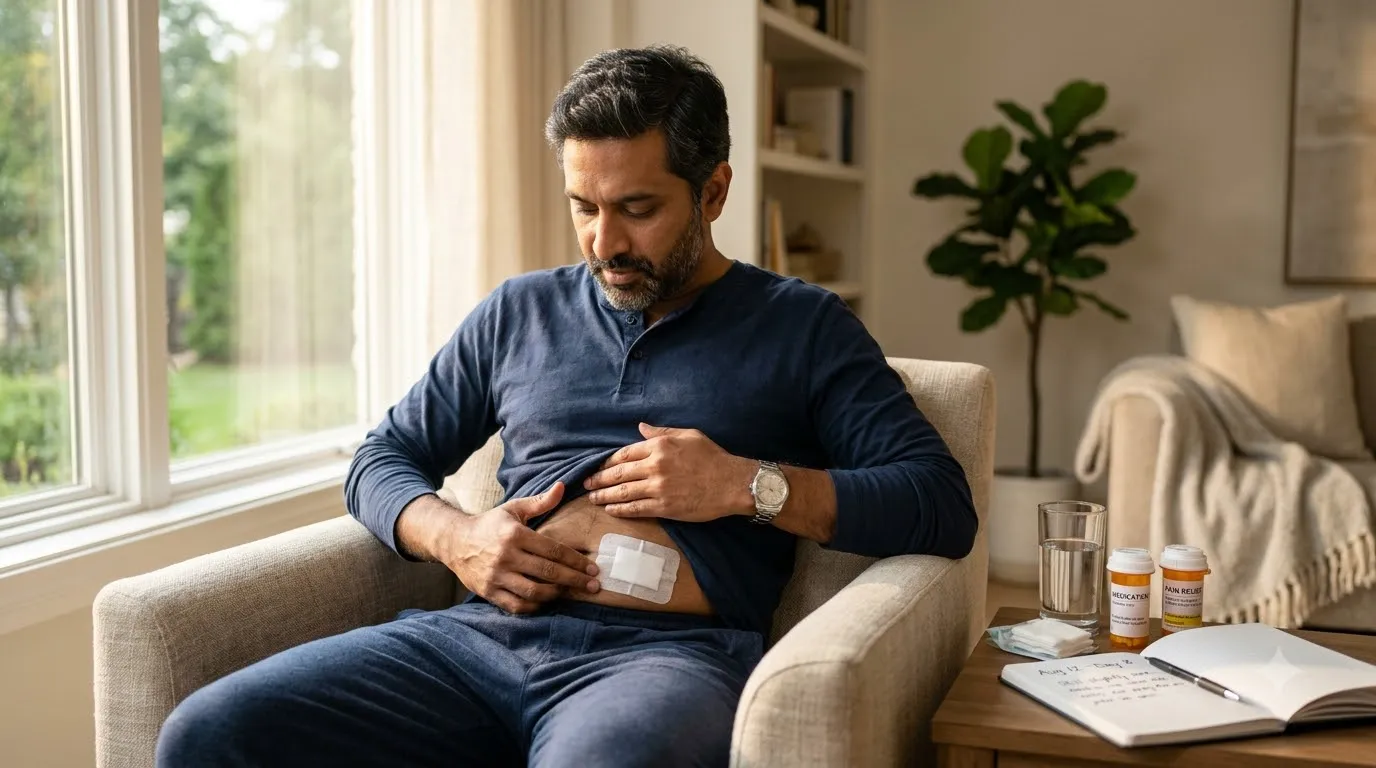
Most surgical wounds follow a fairly predictable path. The incision is closed, the first week is uncomfortable, and then gradually over two to four weeks, the wound closes, the tenderness eases, and life returns to normal. For the majority of patients, healing happens in the background without much drama.
But not always. Some wounds don’t follow that path. They stay open longer than expected, break down after seeming to close, produce discharge that doesn’t stop, or develop a redness and warmth that keeps spreading rather than settling. And when that happens, the patient is left wondering is this normal? Is something wrong? What’s supposed to happen next?
Delayed or impaired wound healing after surgery is more common than most people realise, and it has specific, identifiable causes. Understanding those causes and what can be done about them, changes the experience from anxious waiting to active management.
How Wounds Normally Heal
Before getting into what goes wrong, it helps to understand what normal wound healing actually looks like, because the process is more complex than most people appreciate.
Wound healing happens in four overlapping phases:
Haemostasis – immediately after injury or surgery, bleeding is controlled. Platelets aggregate and a clot forms, providing the initial seal. This happens within minutes to hours.
Inflammation – over the first few days, the immune system responds to the wound. Blood vessels dilate, white blood cells arrive to fight any bacteria present and clear debris. The wound is red, warm, swollen, and tender during this phase. This is normal and necessary, it’s the body mobilising its repair resources.
Proliferation – from around day three to week three, new tissue forms. Fibroblasts, cells that produce collagen, arrive at the wound site and lay down new structural tissue. New blood vessels grow into the area. The wound contracts slightly and begins to close from the edges.
Remodelling – from around week three to up to two years, the initially deposited collagen is reorganised and strengthened. The scar matures, fades, and gains most of its final strength.
A wound that’s healing normally progresses through these phases in a reasonably predictable timeline. When healing is delayed or impaired, something has disrupted one or more of these phases — preventing the process from moving forward as it should.
Why Do Some Wounds Fail to Heal?
Infection
Wound infection is one of the most common reasons healing stalls. When bacteria establish themselves in the wound, the body’s inflammatory phase gets stuck in a loop, constantly fighting the infection rather than moving on to the proliferation and repair phases. The wound stays open, produces purulent discharge, and may develop spreading redness, warmth, and swelling in the surrounding skin.
Not all wound infections are obvious. A superficial infection affecting only the skin and subcutaneous tissue looks different from a deep infection involving the fascia, muscle, or in the case of hernia or implant surgery, the mesh or other foreign material. Superficial infections are manageable with wound care and antibiotics. Deeper infections are more serious and may require surgical intervention to drain, debride, or in some cases remove implanted material.
The risk of wound infection is influenced by the procedure itself contaminated surgery carries higher infection risk than clean elective surgery and by patient factors including diabetes, obesity, smoking, immunosuppression, and poor nutritional status.
Diabetes and Blood Sugar Control
Diabetes is one of the most significant risk factors for impaired wound healing and it operates through multiple mechanisms simultaneously.
Elevated blood glucose impairs the function of neutrophils and macrophages the immune cells that clear bacteria and debris from the wound. It reduces the proliferation of fibroblasts, slowing collagen deposition. It impairs angiogenesis, the formation of new blood vessels that supply the healing tissue with oxygen and nutrients. And the peripheral neuropathy associated with longstanding diabetes reduces sensation, meaning early signs of wound breakdown or infection may go unnoticed.
The result is a wound that heals more slowly, is more prone to infection, and more prone to breakdown after initial closure. Poor blood sugar control in the perioperative period dramatically worsens these effects, which is why optimising HbA1c before elective surgery matters so much, and why close glucose monitoring continues through the post-operative period.
For diabetic patients whose wounds aren’t healing, improving blood sugar control even during the recovery period, is one of the most impactful things that can be done to support healing.
Obesity
Adipose tissue fat is relatively poorly vascularised compared to muscle and other tissues. In obese patients, the thick layer of subcutaneous fat between the skin closure and the underlying fascia has a limited blood supply, making it more susceptible to ischaemia and less able to mount an effective healing response.
The mechanical forces on wounds in obese patients are also greater, abdominal wounds particularly are under tension from the weight of the surrounding tissue, which can cause wound edges to pull apart rather than remaining approximated.
Wound complications including infection, dehiscence, and seroma formation are consistently more common in obese patients, and wounds that break down take longer to heal.
Smoking
Nicotine causes vasoconstriction, it narrows blood vessels and reduces blood flow to peripheral tissues including the skin. Oxygen delivery to the wound is reduced, which impairs every phase of healing. Smoking also reduces neutrophil function, impairs collagen synthesis, and is independently associated with higher rates of wound infection and dehiscence.
The effect is dose-dependent, heavier smokers have worse wound healing outcomes than lighter smokers and even stopping smoking for a few weeks before surgery produces measurable improvements in wound healing compared to continuing to smoke.
For patients whose wounds aren’t healing, continuing to smoke is actively counterproductive. Stopping smoking during the post-operative period isn’t just a general health recommendation, it’s directly relevant to whether the wound closes.
Poor Nutrition
Wound healing is metabolically demanding. It requires adequate protein for collagen synthesis, vitamin C for collagen cross-linking, zinc for cell proliferation, and vitamin A for epithelialisation. When nutritional status is poor from inadequate intake, malabsorption, or the catabolic state that follows major surgery, the body doesn’t have the building blocks it needs to heal effectively.
Protein deficiency is particularly significant. Patients who are malnourished going into surgery, or who have poor nutritional intake during recovery, because of nausea, poor appetite, or inadequate diet, heal more slowly and are more prone to wound breakdown.
For patients with impaired wound healing, a nutritional assessment, sometimes with formal dietitian input and protein supplementation, is an important part of the management picture, not an afterthought.
Compromised Blood Supply
The healing tissue needs oxygen and nutrients delivered by blood. Any condition that reduces blood supply to the wound area impairs healing.
Peripheral arterial disease – reduced arterial blood flow to the limbs, most commonly from atherosclerosis in older adults and diabetics, is one of the most significant causes of non-healing wounds in the lower extremities. A wound on a leg with inadequate arterial supply may be completely unable to heal without first addressing the vascular insufficiency, no amount of wound dressing changes will close a wound that isn’t receiving adequate blood flow.
Venous insufficiency – poor venous return causes oedema, which compromises tissue oxygenation and creates an environment unfavourable for healing. Venous leg ulcers are a classic example of wounds that fail to heal because of the underlying venous problem rather than the wound itself.
Tension on wound edges – if wound edges are under excessive tension from obesity, swelling, or wound placement, the blood supply to the wound margins is compressed and healing is impaired.
Haematoma and Seroma
A haematoma is a collection of blood that accumulates in the wound space after surgery. A seroma is a collection of serous fluid, lymph and wound exudate. Both create a dead space that separates wound edges, provides a medium for bacterial growth, and prevents the tissue contact needed for healing.
Small collections may resolve on their own. Larger ones often need to be drained, either by aspiration or by opening part of the wound, to allow the wound to heal properly.
Wound Dehiscence
Dehiscence refers to the separation of wound edges that had been surgically closed. It can be superficial just the skin opening or deep, involving the underlying fascial layers. Deep dehiscence of an abdominal wound called burst abdomen, is a serious surgical complication where the fascial closure separates, sometimes accompanied by evisceration of abdominal contents through the wound. This is an emergency.
More commonly, superficial wound dehiscence occurs when the skin edges separate without involving the deeper layers. The wound opens, sometimes producing significant discharge, and needs appropriate management to heal by secondary intention, gradual filling from the base rather than primary closure.
Dehiscence is more common in the context of the risk factors already mentioned infection, obesity, diabetes, poor nutrition and in wounds under tension.
Radiation and Previous Treatment
Tissue that has been previously irradiated from cancer treatment, for example has impaired vascularity and reduced cellular reserve. Operating in a previously irradiated field significantly increases the risk of impaired wound healing. Surgeons operating in these areas anticipate this and plan accordingly, but healing is consistently more challenging.
Medications
Certain medications significantly impair wound healing:
Corticosteroids – suppress the inflammatory phase of healing (which is necessary despite being uncomfortable) and impair fibroblast function and collagen synthesis. Patients on long-term steroids are at consistently higher risk of wound complications.
Immunosuppressants – used in transplant patients and for autoimmune conditions, these suppress the immune response that’s essential for wound repair.
Chemotherapy – interferes with cell proliferation, including the fibroblasts needed for tissue repair.
Anticoagulants – increase haematoma risk, which in turn impairs healing.
Where possible, these medications are adjusted around surgery, but they can’t always be stopped, and their effects on healing need to be anticipated and managed.
Recognising When a Wound Isn’t Healing Normally
Knowing what to watch for at home after surgery helps catch problems early when they’re most manageable.
Signs that need prompt attention:
- Increasing rather than decreasing redness, warmth, or swelling around the wound — particularly if it’s spreading
- Wound edges that are separating or opening
- Discharge that’s becoming thicker, more purulent, or developing an odour
- Fever – particularly if it develops after the first day or two of recovery
- Significant increase in pain at the wound site after initial improvement
- Any wound that hasn’t shown meaningful progress toward closure after two to three weeks
Signs that need emergency attention:
- Abdominal wound that opens suddenly with visible tissue or bowel through it
- Wound accompanied by severe pain and rapidly deteriorating general condition, could indicate deep infection or necrotising fasciitis
What Can Be Done About Non-Healing Wounds?
The management depends entirely on what’s causing the problem. There’s no universal wound treatment the right approach starts with identifying the underlying reason healing has stalled.
Wound Debridement
When a wound contains non-viable tissue dead or necrotic material, it can’t heal until that tissue is removed. Debridement is the process of removing this material to expose healthy, bleeding wound bed tissue that can support healing.
Debridement can be done surgically (the most thorough and rapid method), using enzymatic preparations that break down dead tissue, mechanically through wound irrigation, or with biological methods like medical-grade maggots, which selectively consume necrotic tissue while leaving healthy tissue intact.
Wound Infection Treatment
Superficial wound infections are treated with systemic antibiotics selected based on the likely organisms and local resistance patterns, combined with appropriate wound care. Wound swabs for culture and sensitivity guide antibiotic choice when initial treatment isn’t working.
Deeper infections involving fascia, muscle, or implanted material, require surgical drainage and debridement. Infected mesh in a hernia repair may need to be partially or fully removed, which is a significantly more complex procedure than the original repair.
Negative Pressure Wound Therapy (NPWT)
Also called vacuum-assisted closure (VAC therapy), this technique involves applying a foam dressing to the wound connected to a suction device that maintains continuous negative pressure across the wound surface. NPWT promotes healing through several mechanisms, it removes excess fluid and exudate, reduces wound edge oedema, increases blood flow to the wound bed, stimulates cell proliferation, and keeps the wound surface clean.
It’s particularly useful for large, complex, or slow-healing wounds, including dehisced abdominal wounds, wounds in diabetic patients, and wounds following debridement of infected tissue. The dressing is changed every two to three days under clinical supervision.
Addressing Vascular Insufficiency
For wounds with an underlying vascular cause, particularly arterial insufficiency wound management in isolation doesn’t work. Improving the blood supply is the essential first step. This may involve vascular surgery bypass procedures or angioplasty to restore arterial flow to the affected limb. Once blood supply is improved, the wound often begins healing.
Optimising Systemic Factors
Managing blood sugar in diabetic patients, improving nutritional status, stopping smoking, adjusting medications where possible, and treating any underlying infections elsewhere in the body, these systemic interventions support healing as much as local wound care does.
For malnourished patients, enteral nutrition (tube feeding) or parenteral nutrition (intravenous nutrition) may be needed if oral intake is insufficient to support healing.
Advanced Wound Care Products
The wound care market has expanded significantly beyond simple gauze dressings. Modern wound care products include:
Hydrocolloid and hydrogel dressings – maintain a moist wound environment that supports healing while absorbing excess exudate.
Alginate dressings – highly absorbent, particularly useful for heavily exuding wounds.
Silver-containing dressings – provide antimicrobial activity for infected or at-risk wounds.
Collagen-based dressings – support the wound healing matrix.
Foam dressings – provide cushioning and moderate absorption.
The choice of dressing depends on the wound type, the amount of exudate, the presence of infection, and the stage of healing. A wound care specialist or tissue viability nurse can guide appropriate dressing selection and changes.
Hyperbaric Oxygen Therapy
In specific situations particularly diabetic foot wounds with compromised blood supply, or wounds in previously irradiated tissue hyperbaric oxygen therapy delivers high concentrations of oxygen under pressure, significantly increasing tissue oxygen levels. This supports the cellular processes of healing in tissue that would otherwise have insufficient oxygen to mount an effective response.
It’s not widely available and has specific indications, it’s not a routine treatment for all non-healing wounds, but for the right patient and wound type, it can make a meaningful difference.
Surgical Reconstruction
For large wounds that won’t close by themselves, either because the defect is too large or the wound bed is unable to support natural healing surgical reconstruction may be needed. Options include:
Skin grafting – taking a thin layer of skin from another area of the body (the donor site) and placing it over the wound bed. Split-thickness skin grafts are commonly used for large, clean wound beds.
Flap reconstruction – moving a section of skin, fat, and sometimes muscle along with its blood supply to cover a wound defect. More complex than grafting but provides better coverage for deep or poorly vascularised wounds where a graft wouldn’t survive.
These reconstructive options are used when simpler measures have failed or when the wound is clearly beyond what conservative management can achieve.
Final Thoughts
A wound that isn’t healing after surgery is frustrating and worrying, but it’s rarely hopeless. Most non-healing wounds have identifiable causes, and addressing those causes alongside appropriate wound care produces improvement in the majority of cases.
The key is not assuming the wound will eventually sort itself out without intervention. Wounds that have stalled need assessment to understand why, and management that addresses the underlying problem rather than just the surface appearance of the wound.
Our surgical team assesses and manages post-operative wound complications from identifying why healing has stalled to coordinating the right combination of wound care, systemic management, and surgical intervention where needed. If a wound after surgery isn’t progressing as expected, come in for an assessment rather than waiting and hoping. The sooner the cause is identified, the sooner the right treatment can begin.