
Diabetic Patients and Surgery: What You Need to Tell Your Surgeon Before the OT
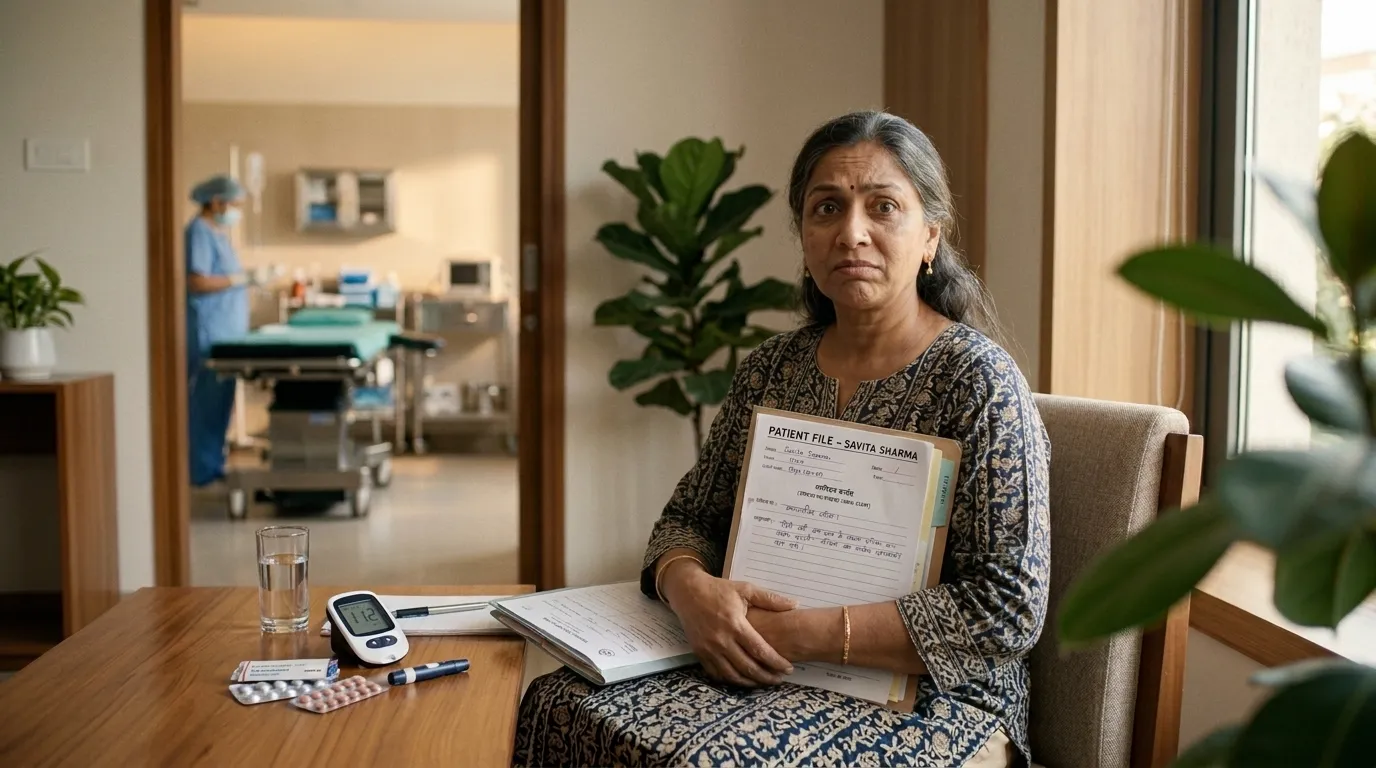
Being told you need surgery when you have diabetes brings a particular kind of worry with it. Beyond the usual anxiety about the procedure itself, there’s a background concern, will my diabetes cause complications? Do I need to stop my medication? Will my sugar levels affect how things go?
These are entirely reasonable questions. And the honest answer is that diabetes does add layers to surgical planning that aren’t there for non-diabetic patients. But and this matters, having diabetes doesn’t mean surgery can’t go well. It means preparation needs to be more thorough. Communication with the surgical team needs to be more complete. And certain things need to be managed carefully in the lead-up to and during the procedure.
Most surgical complications in diabetic patients are preventable. The ones that aren’t caught in time usually come down to information the team didn’t have. This is about making sure your team has everything they need.
Why Diabetes Matters in a Surgical Context
Surgery puts the body under physiological stress. That stress triggers a hormonal response, cortisol and adrenaline rise, and these hormones cause blood glucose levels to increase, even in people who are usually well-controlled. For a non-diabetic patient, the pancreas compensates automatically. For a diabetic patient, that compensation either doesn’t happen or doesn’t happen fully.
The result is that blood sugar levels during and after surgery can fluctuate significantly, rising higher than expected from the stress response, then potentially dropping when food intake is restricted during the fasting period. Managing this balance is one of the core challenges of surgical care in diabetic patients.
Beyond glucose management, diabetes affects the body in ways that matter for surgery:
Wound healing – elevated blood glucose impairs the function of immune cells and reduces blood supply to the skin and tissues. This slows healing and increases the risk of wound infection after surgery.
Cardiovascular risk – diabetes is associated with a higher risk of heart disease and blood pressure issues, both of which are relevant considerations when anaesthesia is administered and the body is under surgical stress.
Kidney function – many diabetic patients have some degree of kidney involvement. Certain medications used around surgery – contrast agents for imaging, some anaesthetic drugs, can affect kidney function, and the team needs to know what baseline kidney function looks like.
Nerve function – diabetic neuropathy can affect how pain is perceived and how certain medications act on the nervous system.
Delayed gastric emptying – a condition called diabetic gastroparesis, where the stomach empties more slowly than normal, has implications for fasting guidelines and anaesthesia safety.
None of these are reasons to avoid surgery. They’re reasons why the surgical team needs to know about them.
What You Need to Tell Your Surgeon In Detail
This is the core of it. The more complete the picture your surgical team has, the better they can plan around your diabetes.
How Long You’ve Had Diabetes and Which Type
Type 1 and Type 2 diabetes are managed differently, and the duration matters too. Long-standing diabetes is more likely to come with complications, kidney involvement, nerve damage, cardiovascular disease, that a surgical team needs to factor in. Someone diagnosed six months ago is in a very different situation from someone who has managed diabetes for twenty years.
Your Current HbA1c
HbA1c is a blood test that reflects average blood sugar control over the past two to three months. It’s one of the most important pieces of information a surgeon and anaesthetist need before an elective procedure.
A high HbA1c, generally above 8.5% or 69 mmol/mol – indicates poor recent glucose control and is associated with higher risks of wound infection, impaired healing, and post-operative complications. Many surgical teams will recommend postponing a non-urgent procedure until blood sugar control improves, because the outcomes genuinely are better when HbA1c is in a more controlled range.
If your HbA1c hasn’t been checked recently, it’s worth getting it done before your pre-operative consultation.
All Medications Including Insulin
Every medication matters, but a few need specific attention:
Metformin – one of the most commonly prescribed diabetes medications. It’s typically paused on the day of surgery and for 48 hours afterward, particularly if there’s any possibility of kidney stress during the procedure or if contrast imaging is involved. Your team will advise when to restart.
SGLT2 inhibitors – medications like empagliflozin, dapagliflozin, and canagliflozin. These need to be stopped at least three to four days before surgery. They carry a risk of a serious condition called euglycaemic diabetic ketoacidosis (DKA) in the surgical period, where ketones build up even without markedly elevated blood sugar. This can be missed if the team doesn’t know the patient is on these medications.
Sulphonylureas – medications like glibenclamide and glipizide. These stimulate insulin release and can cause hypoglycaemia during fasting. The surgical team needs to know about these to adjust accordingly.
Insulin – if you’re on insulin, the type, dose, and timing need to be communicated clearly. Insulin management around surgery is carefully structured, basal insulin is usually continued at a reduced dose, while mealtime insulin is held while fasting. Your team will give specific instructions, but they need to know exactly what you’re taking.
Other medications – blood pressure medications, cholesterol medications, aspirin, any supplements. All of it.
Any Known Diabetes Complications
If you have diabetic kidney disease, diabetic neuropathy, retinopathy, or previous heart events, tell your surgeon. These aren’t things to leave out because they seem unrelated to the procedure being done. They affect anaesthetic choice, fluid management, medication selection, and post-operative monitoring.
Previous Surgical History
If you’ve had surgery before and had any complications, wound infections, healing problems, unusual glucose fluctuations mention it. Past surgical history in a diabetic patient is genuinely informative.
Your Blood Sugar Monitoring Routine
How often you check your blood sugar, what your usual readings look like, and whether you’ve had recent episodes of hypoglycaemia or hyperglycaemia, all of this helps the team understand what your diabetes looks like day to day, not just on paper.
If you use a continuous glucose monitor (CGM), let the team know. Some CGMs may need to be removed before certain procedures, and the team can plan monitoring accordingly.
Whether You Experience Hypoglycaemia Without Warning
Some diabetic patients, particularly those with long-standing Type 1 diabetes, lose the ability to feel the early warning signs of low blood sugar, a condition called hypoglycaemia unawareness. This is critical information for anyone managing your glucose levels during surgery and in the recovery period.
What Happens to Your Glucose Management on the Day
The specifics depend on your medications, the type and duration of the procedure, and whether it’s a morning or afternoon slot, but the general approach looks something like this:
The night before – basal insulin is usually continued, sometimes at a slightly reduced dose. Oral medications are typically held from midnight. Your team will give you written instructions specific to your medication regimen.
Fasting – the standard fasting guidelines apply, but your team will aim to schedule diabetic patients as early as possible in the operating list to minimise the fasting period. A long fast with poorly managed glucose is where hypoglycaemia risk increases.
On the day – blood glucose is checked before the procedure. Many hospitals have a glucose target range they aim to maintain during surgery, typically between 6 and 10 mmol/L. If glucose is running high before the procedure starts, the team may delay until it’s in a safer range. If it’s low, they’ll correct it.
During surgery – glucose is monitored at regular intervals. An insulin and glucose infusion may be used for longer or more complex procedures to maintain stable levels throughout.
After surgery – glucose monitoring continues in the recovery period. Eating usually resumes as soon as the patient is able, at which point the regular medication regimen is gradually reintroduced. For insulin-dependent patients, the transition back to the usual regimen is done carefully with blood sugar monitoring guiding the adjustments.
What Good Blood Sugar Control Before Surgery Actually Achieves
This isn’t just numbers on a chart. The practical difference that controlled blood glucose makes to surgical outcomes is well documented.
Lower infection risk – wound infections are significantly more common in poorly controlled diabetic patients. Glucose feeds bacteria. High post-operative glucose levels create an environment where surgical site infections take hold more easily.
Better wound healing – controlled glucose means immune cells function properly and blood supply to the healing tissue is maintained. Wounds close faster and more reliably.
Lower cardiovascular risk during the procedure – stable glucose is easier on the heart and circulation during the stress of surgery and anaesthesia.
Shorter hospital stay – patients with better pre-operative glucose control tend to recover faster and go home sooner.
If you’ve been told surgery is coming up and your glucose control hasn’t been ideal, the weeks before the procedure are worth using well – tightening up diet, medication adherence, and checking in with whoever manages your diabetes to get things in a better range before the day arrives.
After Surgery What to Watch For
Recovery for diabetic patients needs a bit of extra attention:
Wound site – check the surgical wound daily for signs of infection, increasing redness, warmth, swelling, discharge, or a wound that seems to be opening rather than closing. These signs need to be reported to the surgical team promptly rather than waiting for the follow-up appointment.
Blood sugar – glucose tends to run higher than usual in the first few days after surgery due to the stress response and reduced activity. Monitor more frequently than usual and follow your team’s guidance on medication adjustments during this period.
Eating and medications – don’t restart oral diabetes medications until you’re eating normally and your team has confirmed it’s appropriate to do so.
Foot care – if you have diabetic foot involvement, the reduced activity during recovery and any changes in circulation mean extra attention to foot skin condition is important.
Final Thoughts
Diabetes and surgery is a combination that needs careful planning, but it’s a combination that surgical teams manage every day. The difference between a smooth surgical experience and a complicated one, for most diabetic patients, comes down to how well prepared everyone is going in.
Your role in that preparation is to be completely open with your surgical team. Every medication, every complication, your current control, your monitoring routine all of it. Nothing is irrelevant, and nothing will be used to talk you out of necessary surgery. It will be used to make the procedure as safe and as smooth as possible.
Our surgical team takes pre-operative assessment for diabetic patients seriously, understanding your diabetes management thoroughly before recommending the right timing and approach for your procedure. If you have diabetes and have been told surgery is on the horizon, come in for a consultation early. The more time there is to prepare properly, the better the outcome tends to be.